Fortnite doesn't really need an introduction — it's been a cultural fixture since 2017 — but it has changed enough that a "first drop" guide in 2026 looks pretty different from the one you'd have read a few years ago. Epic Games' battle royale is currently in Chapter 7, Season 4 ("Override"), which launched in August 2026, and it remains completely free to play on Windows, with no paywall blocking any of its core modes. If you've been meaning to jump in, or you tried it once years ago and bounced off, here's what actually matters right now.
What Fortnite Is (In 2026)
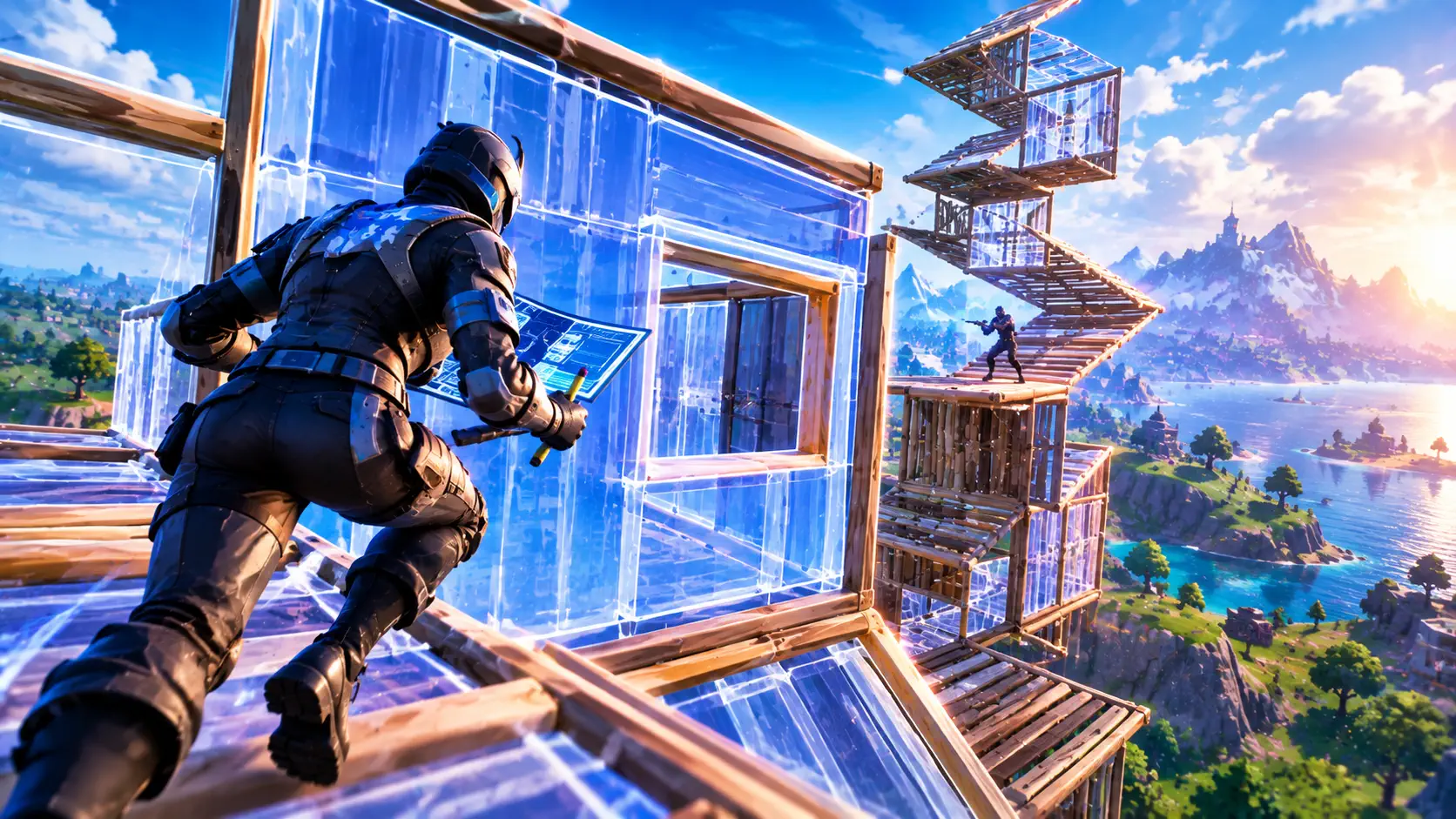
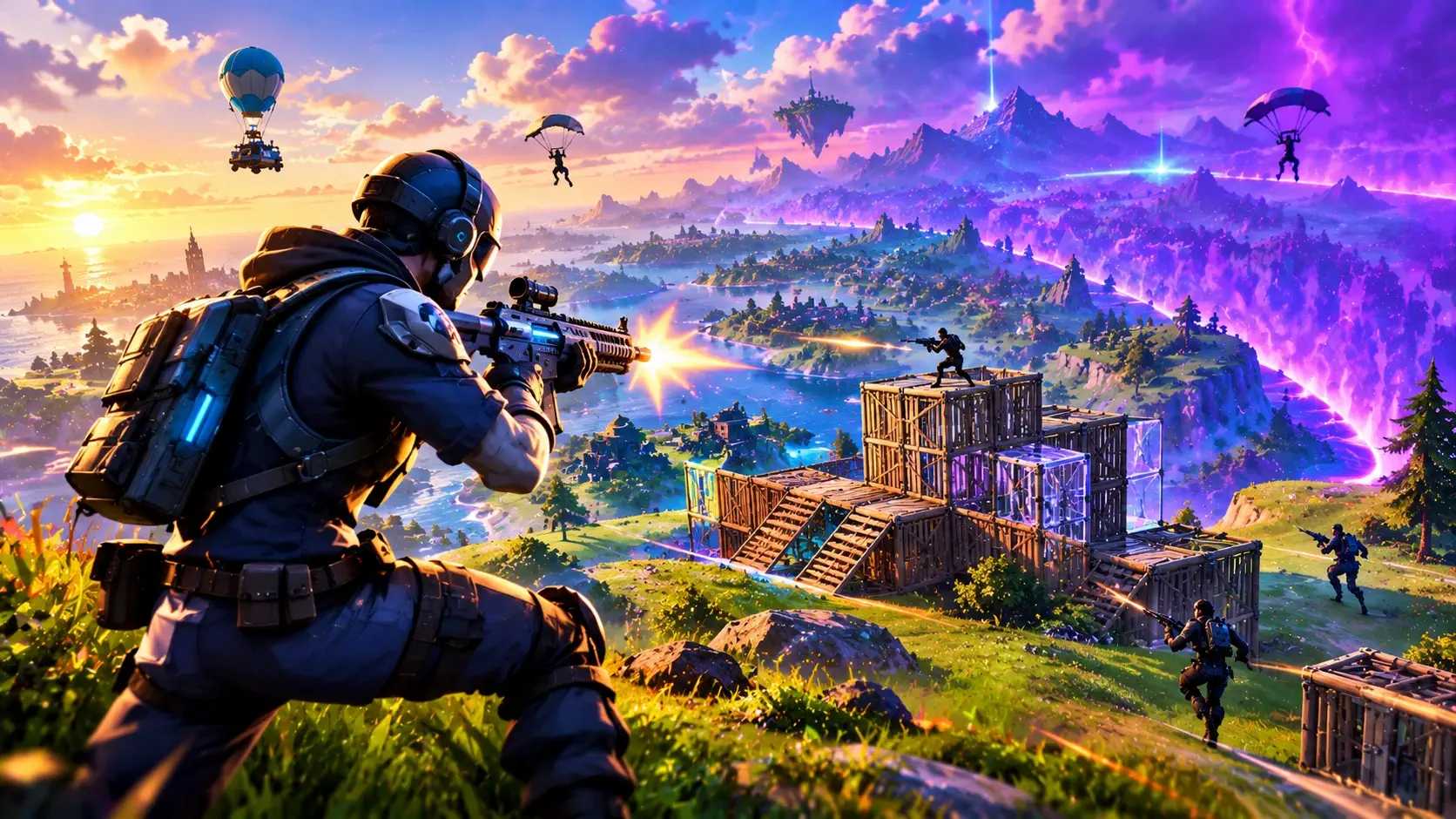
At its core, Fortnite is still a 100-player battle royale: you parachute onto an island, scavenge weapons and materials, and fight to be the last one standing as a shrinking storm circle forces everyone together. What's changed over the years is everything around that core loop. The game is now closer to a platform than a single title — it bundles the classic Battle Royale mode alongside Zero Build (a no-construction variant that strips out Fortnite's famous building mechanic for players who just want pure gunplay), Ballistic (a tactical 5v5 round-based mode with permadeath, clearly aimed at the Valorant/CS crowd), and a rotating library of community-made experiences through Fortnite Creative and the UEFN toolset.
Epic Games built and maintains the game as free-to-play across the board. There is no trial version and no paid tier that unlocks additional modes — everything from Battle Royale to Ballistic to Creative is available at zero cost. Revenue comes entirely from cosmetics (skins, emotes, the seasonal Battle Pass) that have zero effect on gameplay balance. On Windows, that means you can install it, create an Epic account, and be dropping into a match within minutes without spending a cent.
While Fortnite is genuinely cross-platform — it also runs on PlayStation, Xbox, Nintendo Switch, and mobile, with full crossplay between them — this guide (and the install link below) is built specifically for the Windows PC version, which remains the most common way competitive and casual players alike experience the game, with mouse-and-keyboard precision for building and editing.
Fortnite Chapter 7 Season 4, titled "Override," launched on August 20, 2026, under a "break the rules, change the game" theme built around crossovers with other gaming franchises rather than films or music acts. The season has added playable and cosmetic content tied to Sonic the Hedgehog, Mega Man, Kingdom Hearts' Sora, and Persona 5's Joker, with Pac-Man's ghosts arriving in a mid-season update in September 2026. For new players, the practical takeaway is that Fortnite's live-service model means the map, modes, and cosmetics you see during your first week can look meaningfully different a few months later, since Epic Games treats each season as a substantial content refresh rather than a minor patch.
Getting Started: Your First Few Matches
A few things will make your first sessions much less frustrating:
- Pick your mode deliberately. If you're coming from shooters like Call of Duty or Apex Legends and have zero interest in Fortnite's construction system, start in Zero Build. It's a genuinely different, more approachable game and a smart on-ramp before you ever touch building.
- Use the practice tools. Fortnite includes a no-pressure practice island where you can get comfortable with movement, editing, and aim before dropping into a live 100-player lobby.
- Land away from the crowd for your first few games. Naming a hot landing spot isn't useful advice long-term since named locations shift with each map update, but the general rule holds: land on the edge of the action, loot quietly, and rotate in once you've got a weapon and some shields.
- Watch the storm circle, not just other players. More new players lose to the shrinking play zone than to enemy fire. Map awareness beats aim in your first ten hours.
- Don't skip the Battle Pass math. The seasonal pass is optional, but if you plan to play regularly it pays for itself in in-game currency — worth understanding before you spend anything at all.
Why It's Still Worth Playing
Fortnite's staying power comes down to the fact that it doesn't ask you to commit to one kind of game. One night you're grinding Battle Royale squads with friends, the next you're running a tight, round-based Ballistic match, and the night after that you're in a community-built obstacle course or RPG map that has nothing to do with combat. Chapter 7's "Override" season has kept that variety front and center, layering in its gaming-crossover content on top of the existing mode lineup, and because Epic pushes content updates constantly, there's rarely a stretch where the game feels stale.
It also remains one of the most social shooters on the market — squad-based play, in-game voice, and constant crossover events (Fortnite has hosted collaborations spanning music, film, and other games for years) give it a live-event energy that most free shooters don't try to replicate. And because the whole experience — Battle Royale, Zero Build, Ballistic, Creative — is free on Windows, there's no cost barrier to just trying a mode and seeing if it clicks.
Ready to Drop In?
If any of that sounds like your kind of game, the fastest way to find out is to install it and play your first match — it takes minutes to get from download to your first landing. Check our latest Fortnite update coverage for what's changed most recently.
Fortnite is free to download on Windows PC via the Epic Games Store.
Want to see how it compares with other free games? Our Free-to-Play Games in 2026 guide helps you pick a genre and explains what free really costs.