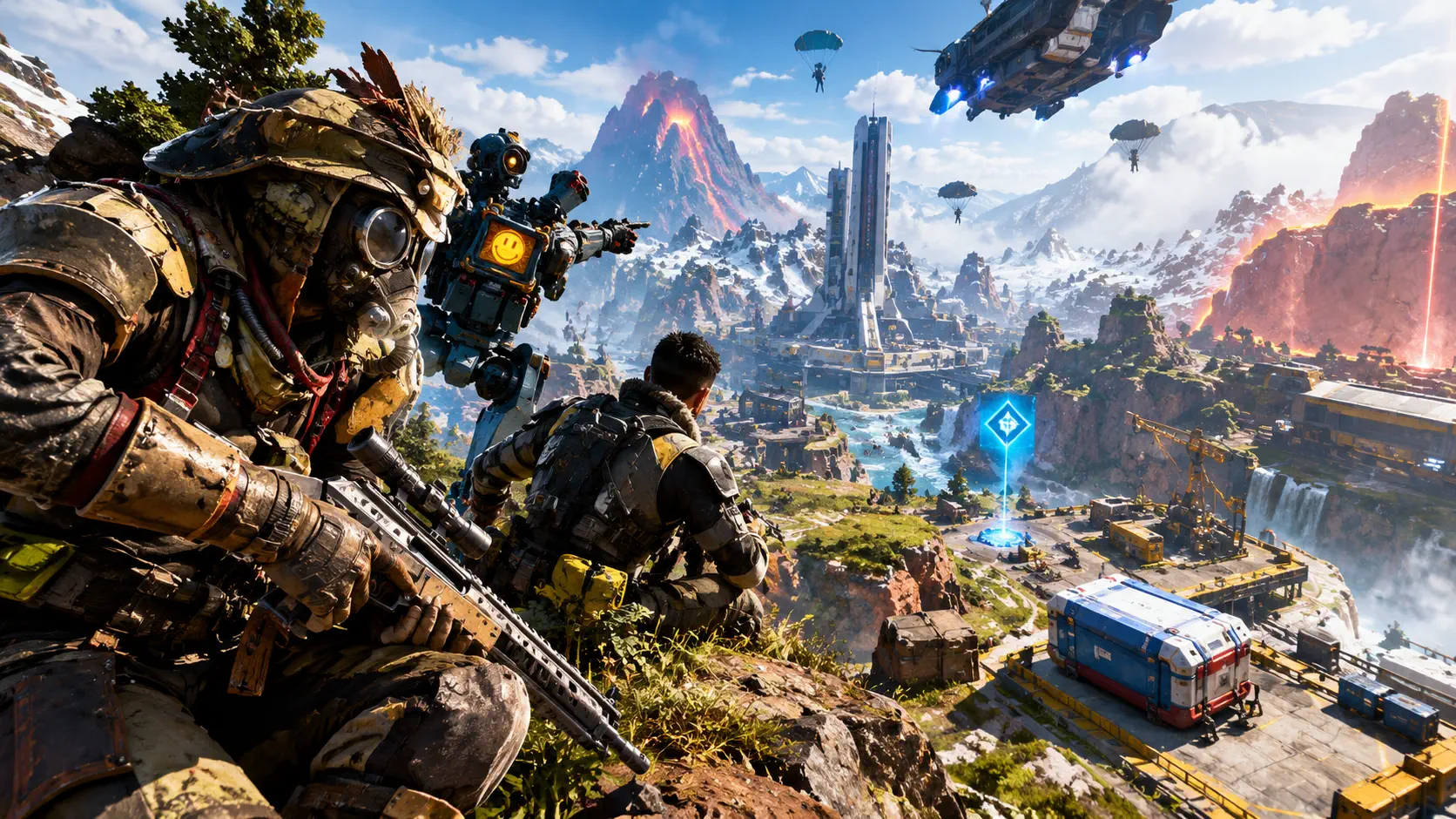
Apex Legends carved out its own identity in a crowded battle royale field by leaning hard into hero-shooter mechanics — every one of its "Legends" comes with a distinct kit of abilities that changes how you play, not just how you look. Developed by Respawn Entertainment and published by EA, it's currently in Season 30 ("Marked"), which launched in August 2026 with a major World's Edge map rework, server stability improvements, and a revamped loot system built around Corrupted Attachments. It remains completely free to play and free to download on Windows PC, with no paywall on any Legend's core kit or any game mode.
What Apex Legends Is
Squads of three (occasionally duos or solos, depending on the mode) drop onto a shrinking map and fight to be the last team standing — the same broad battle royale shape as its genre peers, but executed with faster movement, tighter gunplay, and a ping system that lets you call out enemies, loot, and strategy without ever needing a working microphone. That ping system, more than almost any single feature, is why Apex became a go-to for players who want competitive team play without the friction of coordinating over voice chat with strangers.
Every Legend — from tank-y frontliners to recon specialists who can scan the battlefield — brings a passive ability, a tactical, and an ultimate that meaningfully shifts squad strategy. New players start with a rotating free roster and can unlock additional Legends through play or purchase, but nothing about a Legend's combat effectiveness is locked behind a paywall; it's a level playing field where skill and squad coordination matter more than spend. Like Fortnite, monetization runs entirely through cosmetics and the seasonal Battle Pass — weapon skins, character skins, and pass rewards — none of which affect gunplay or hitboxes.
Getting Started: Your First Few Drops
If you're building or upgrading a PC specifically to play competitive shooters like this one, our budget gaming PC build guide covers what actually matters for the job, and a lightweight wireless mouse like the Logitech G PRO X Superlight makes a real difference once aim starts to matter more than movement.
- Pick a starter Legend with a forgiving kit. Legends with defensive or utility abilities (shields, heals, mobility) tend to be more forgiving while you're still learning gunplay and map rotation than pure aggression picks.
- Learn the ping system immediately. It's arguably Apex's best onboarding tool — you can call enemy locations, request items, and mark your landing spot without typing a word. Get comfortable with it in your first match.
- Play the tutorial and a few Firing Range sessions. Apex's in-game firing range lets you test weapons, attachments, and Legend abilities with zero risk before you're in a live match.
- Respect the ring, not just the enemy team. As with any battle royale, new players lose far more often to the shrinking play area than to being outgunned. Rotate early rather than looting greedily.
- Try the reworked World's Edge in Season 30. If you played Apex years ago and stopped, the Season 30 map changes are a legitimately good reason to come back — enough has shifted that old habits and hot drops won't apply the same way.
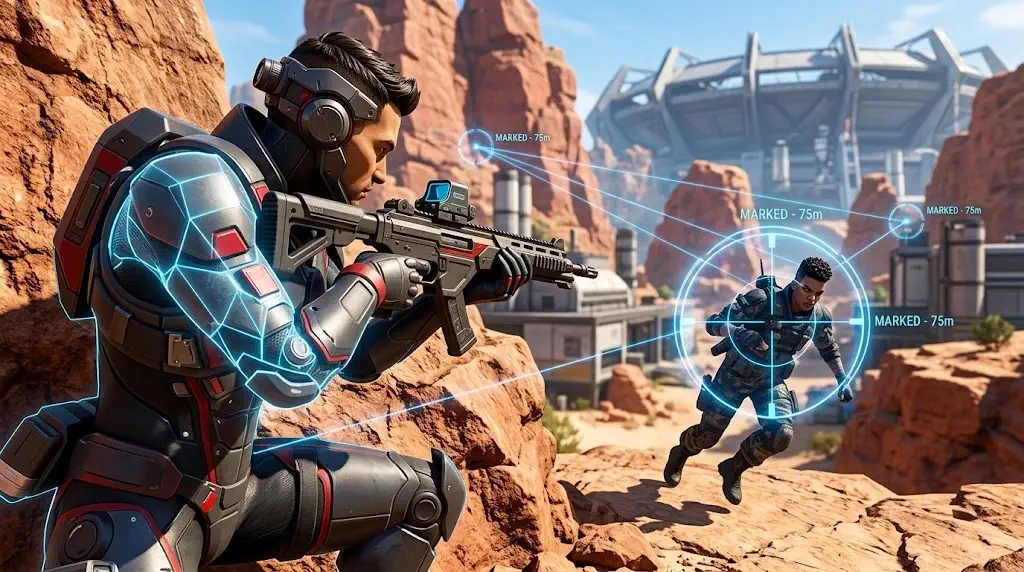
Apex Legends Season 30, subtitled "Marked," rolled out in August 2026 as a genuinely substantial content update rather than a cosmetic refresh. The headline change is Corrupted Attachments: rare, glowing weapon attachments that offer a significant stat boost but carry a visible risk, since picking one up marks your position to nearby enemies for a short window, turning simple looting into a real risk/reward decision. Season 30 also brought a full rework of the World's Edge map, adjusting rotations and points of interest enough that returning players shouldn't assume old habits still apply, along with server stability improvements and legend balance changes including a reworked Bloodhound kit. Together, these changes signal that Respawn Entertainment is still actively developing Apex Legends' core systems years after launch, rather than simply maintaining it.
Why It's Still Worth Playing
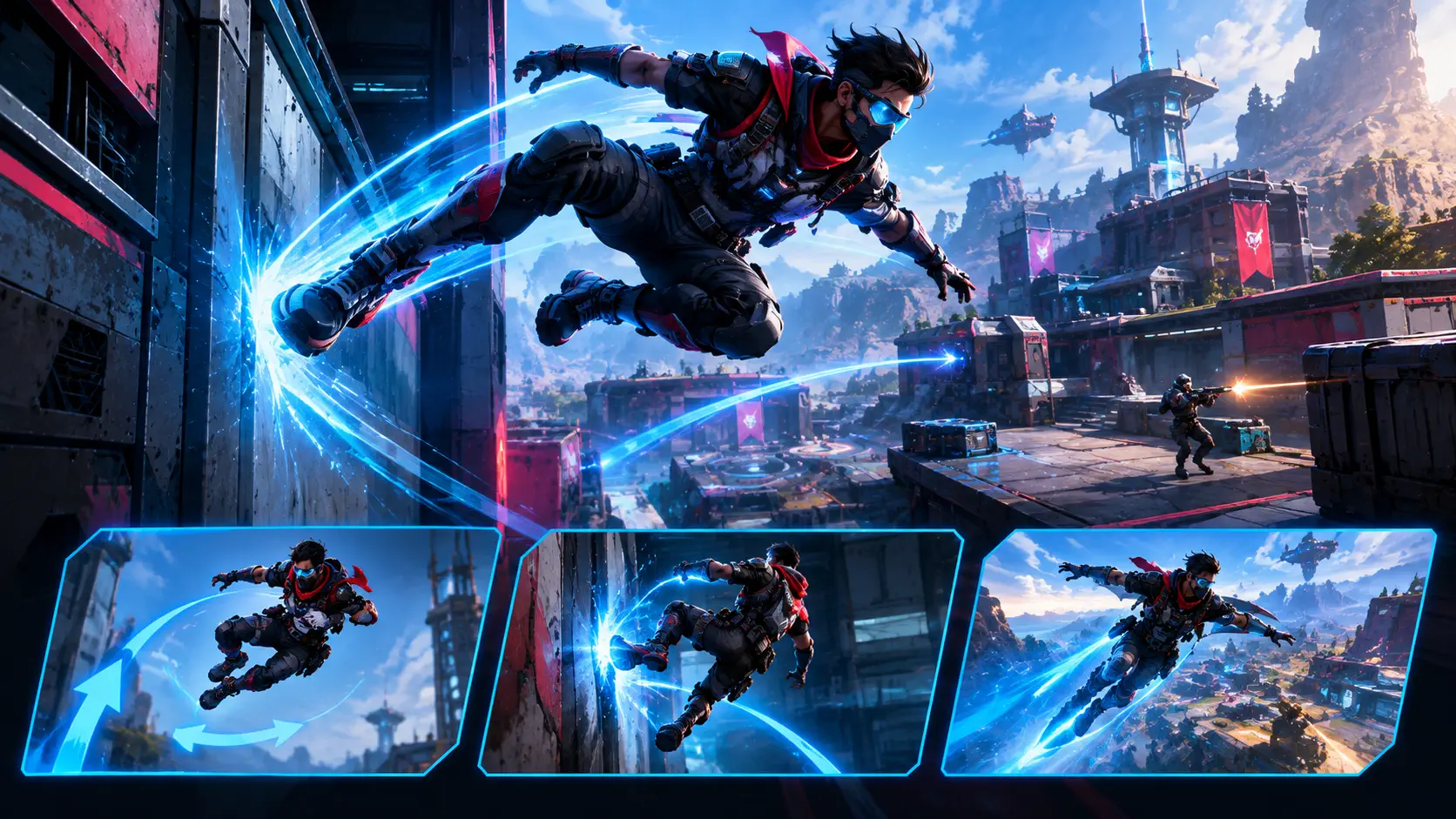
Apex's combination of movement tech (sliding, wall-running for specific Legends, tactical repositioning) and ability-driven squad play gives it a different rhythm than more grounded shooters — matches reward map knowledge and Legend synergy as much as raw aim. Season 30's server stability work and loot overhaul (Corrupted Attachments add a genuine risk/reward decision to looting instead of just grabbing whatever's on the ground) show Respawn is still actively iterating on the core formula rather than coasting on the game's established base.
It's also a strong pick if you're playing with a small, consistent squad — the three-person team structure and ping-based communication make it one of the more approachable competitive shooters for groups who don't necessarily want to be on voice chat the whole time. And since the entire Legend roster's combat capability is free, there's no sense of being at a disadvantage on day one.
Ready to Squad Up?
If a fast, ability-driven battle royale with genuinely useful team tools sounds like your next game, installing it and running through a couple of Firing Range sessions before your first real match is the quickest way to get a feel for it. If the ping-based, no-mic-required teamplay here doesn't fully match what you're after, our Fortnite guide covers a free-to-play battle royale with a different rhythm worth comparing.
Apex Legends is free to download on Windows PC via Steam or the EA app.
Want to see how it compares with other free games? Our Free-to-Play Games in 2026 guide helps you pick a genre and explains what free really costs.