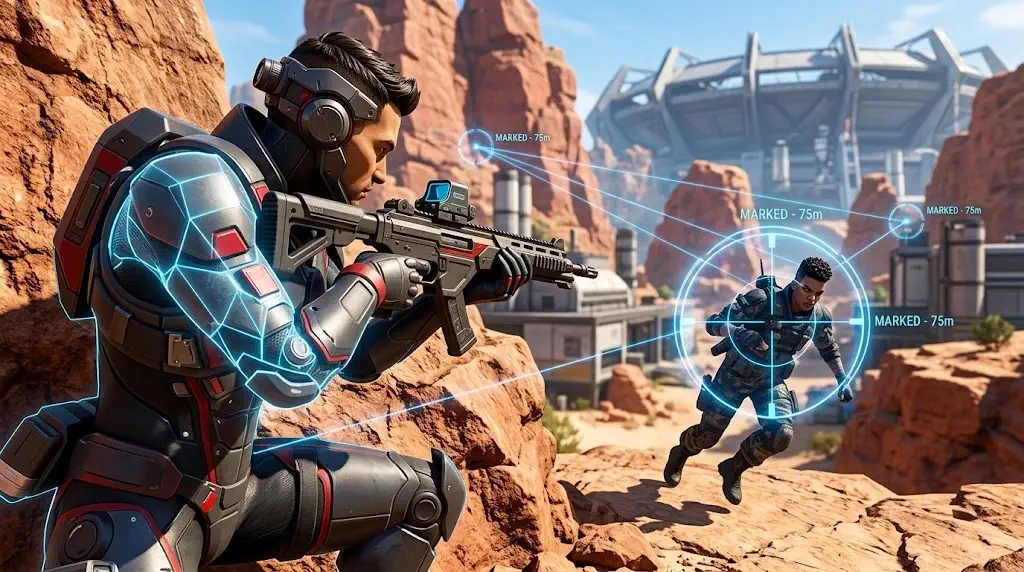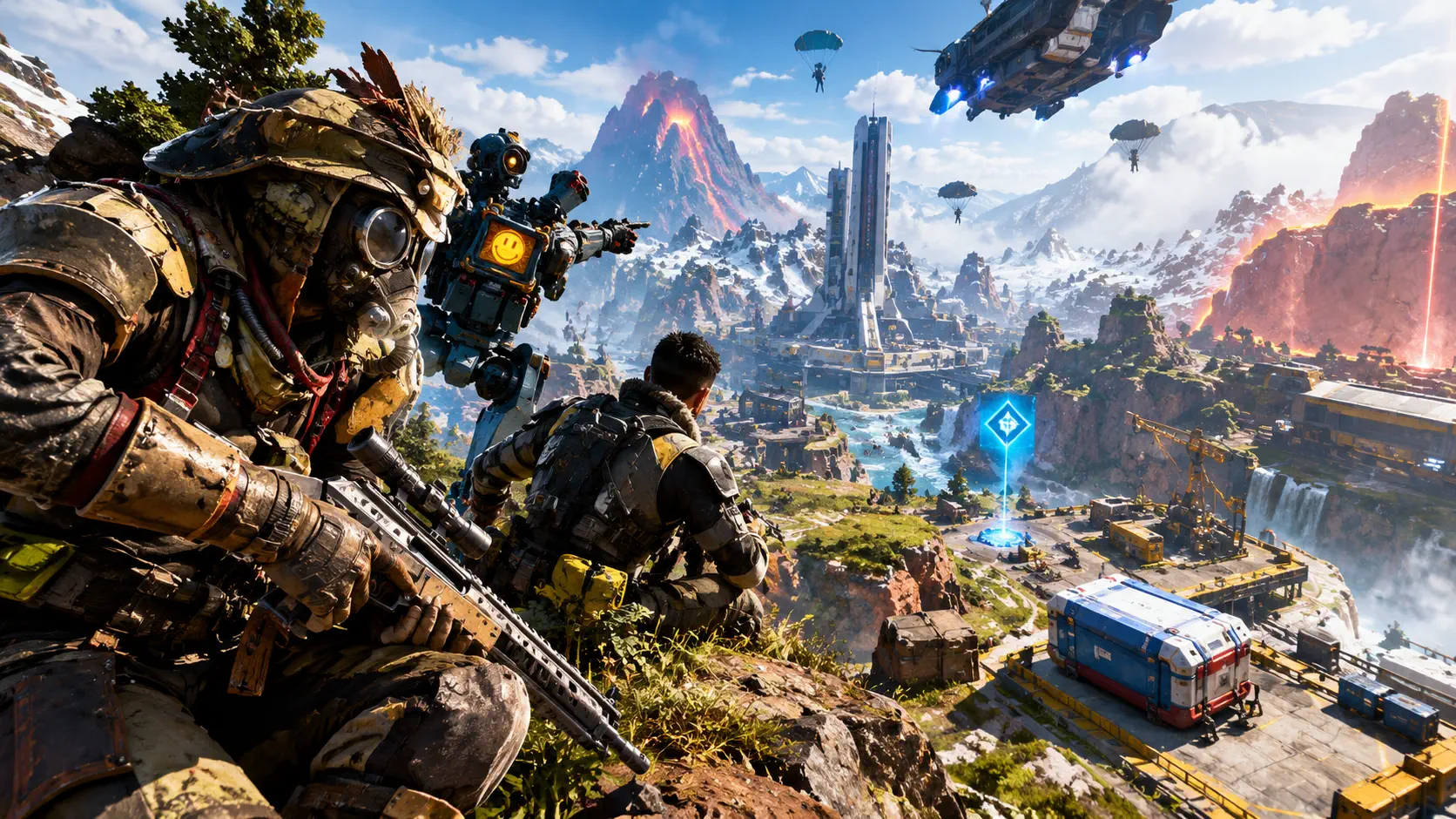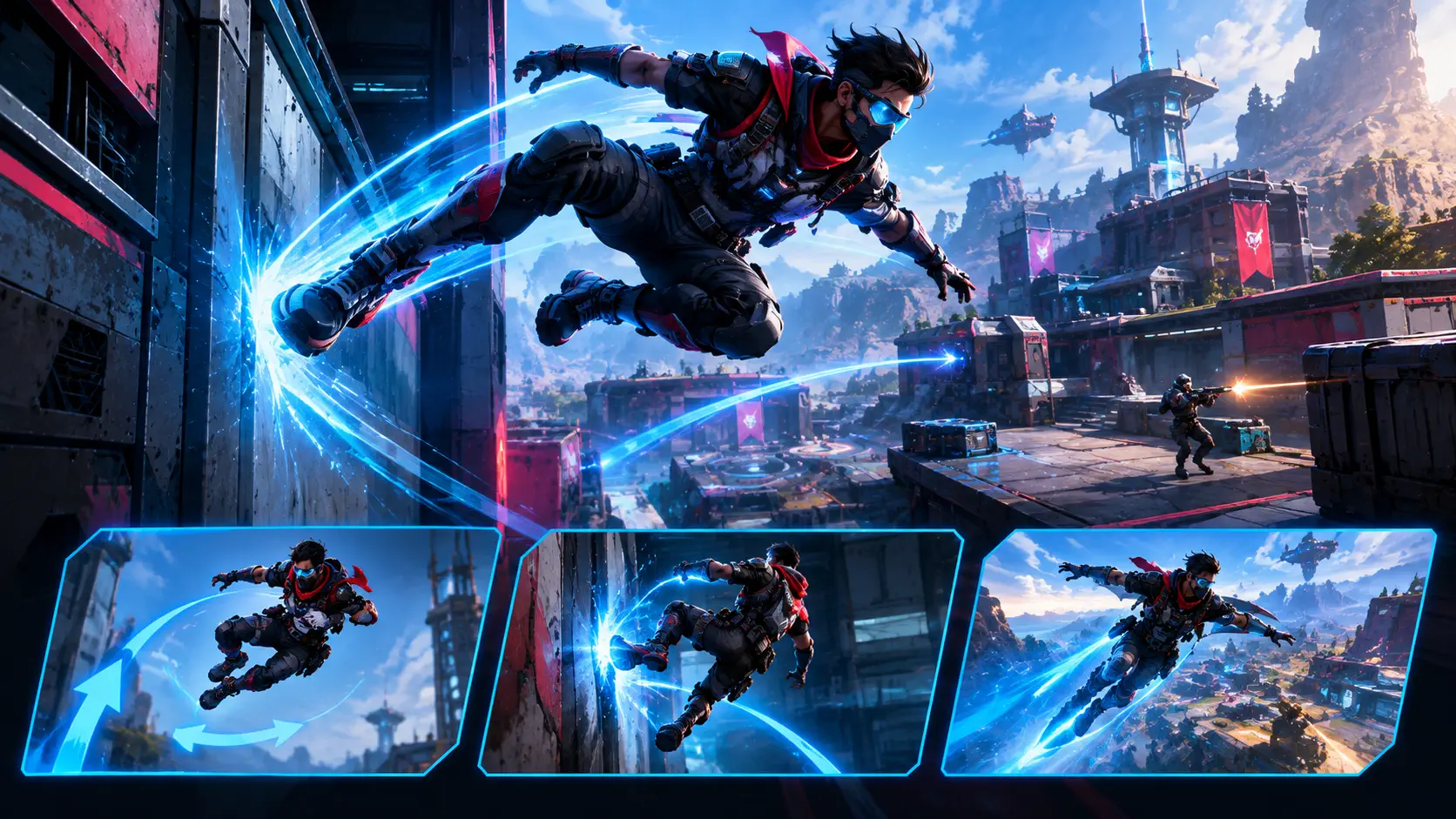
Aim wins gunfights, but movement is what decides whether you're in a winnable gunfight in the first place. Apex Legends has one of the deepest movement systems in any shooter, built almost entirely out of mechanics the developers never explicitly taught — tap-strafing, wall-bouncing, and super gliding are all community-discovered tech layered on top of the base movement engine. None of it is required to play the game, but all of it meaningfully raises your ceiling once your gunplay fundamentals are solid.
Tap-Strafing: Changing Direction Mid-Air Without Losing Speed
Tap-strafing lets you snap your aerial momentum in a new direction by briefly tapping a movement key opposite your current direction while mid-air after a jump, slide-jump, or recoil from an explosion — done correctly, it redirects your trajectory almost instantly without the speed loss normal air-strafing causes. It's the single hardest movement tech to learn in Apex and the one with the highest payoff: a well-timed tap-strafe around a corner or off a zipline can put you on an opponent's flank before they've processed where you went. Start by practicing it off a jump pad or a slide-jump in the firing range, where there's no pressure, before trying to use it in an actual fight.
Wall-Bouncing: Stacking Horizontal Speed Off Surfaces
Wall-bouncing chains a slide-jump into a mid-air collision with a wall at the right angle, which converts some of your forward momentum into a speed boost rather than simply stopping you — chain two or three in a row down a hallway or around a building corner and you'll cover ground faster than running ever could, while being a genuinely difficult target to track. The timing window is tight enough that it takes real repetition to feel consistent, but unlike tap-strafing it doesn't require a specific input combo beyond good positioning and a slide-jump into the wall at roughly a 45-degree angle.
What's the actual difference between tap-strafing and wall-bouncing? Tap-strafing changes your aerial direction instantly without a surface to bounce off, using a precise input timing on the opposite movement key, while wall-bouncing specifically requires colliding with a wall or surface at an angle to convert momentum into extra speed — they're often combined in high-level play (tap-strafe into a wall-bounce) but are mechanically distinct techniques with different inputs.
Super Gliding: Extending a Jump Off a Zipline or Ledge
Super gliding extends the distance and control of a jump taken right as you leave a zipline, ledge, or certain terrain, by crouching at a precise moment during the jump animation — it's less about raw speed than about covering awkward gaps or repositioning in the air in ways normal jumping doesn't allow. It's a narrower-use tool than tap-strafing or wall-bouncing, but worth knowing for specific map locations where a super glide is the difference between reaching cover and getting caught in the open.
How to Actually Practice This Without Getting Overwhelmed
Don't try to learn all three at once. Spend a session in the firing range on tap-strafing alone until the input feels natural, then move to wall-bouncing in a real match where the stakes are lower (early game, away from fights), and treat super gliding as something you pick up situationally rather than drill specifically. Legends with built-in mobility — Octane, Wraith, Horizon — are more forgiving to learn movement tech on since their kits already reward aggressive positioning, which makes mistakes less costly while you're still building muscle memory. Our Apex Legends beginner's guide covers the fundamentals if you're still working on gunplay basics before layering movement tech on top.
Looking for another free game to try? Our Free-to-Play Games in 2026 guide helps you choose a genre and explains what free really costs.