Valorant is Riot Games' free-to-play tactical shooter, launched on Windows in June 2020 and expanded to PlayStation 5 and Xbox Series X|S in August 2024. Five years in, it's grown to 30 playable agents and remains one of the largest free-to-play shooters around, built on the same round-based, economy-driven structure that's defined the tactical shooter genre for decades.
What Valorant Is
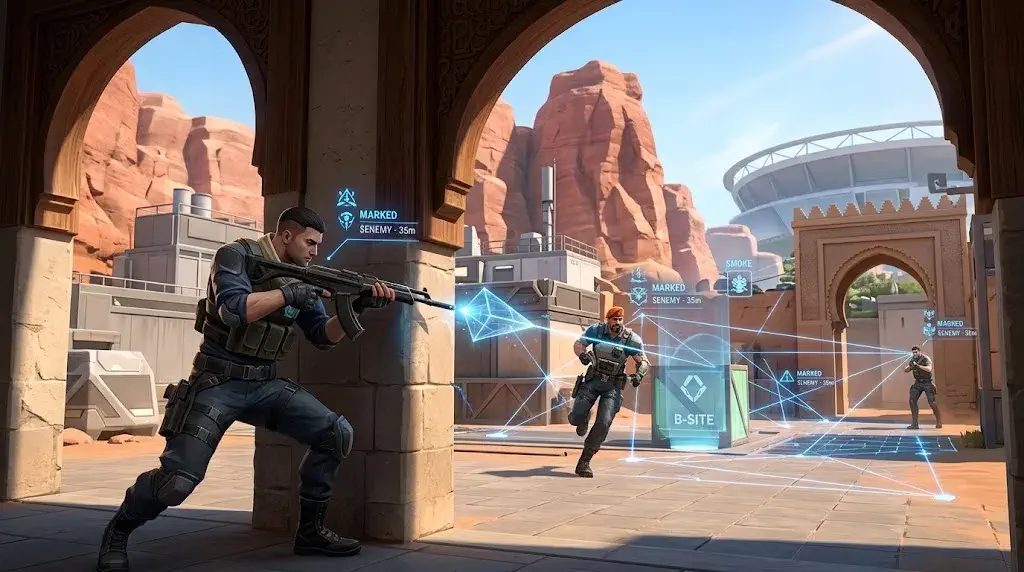
Valorant is a five-versus-five tactical shooter where one team plants a bomb-like device called the Spike while the other tries to prevent its detonation. Each match runs on a round economy: players earn money based on round outcomes and individual performance, then spend it between rounds on weapons, armor, and character abilities. What separates Valorant from a purely tactical shooter like Counter-Strike is its cast of agents, each with a unique kit of charged abilities and an ultimate power that recharges over the course of a match, adding a layer of ability-based strategy on top of standard gunplay and positioning.
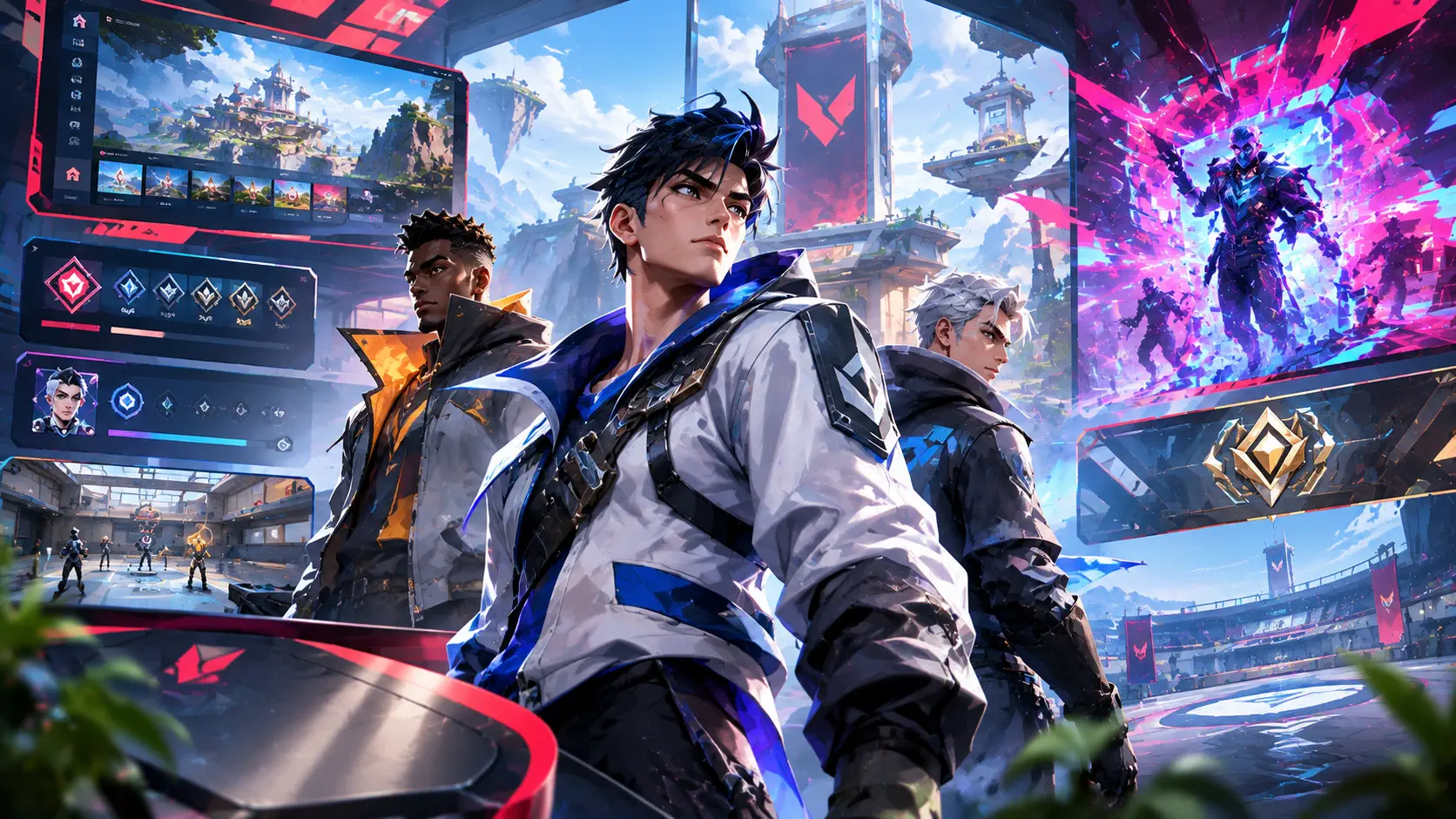
How many agents does Valorant have, and how are they organized? As of March 2026, Valorant has 30 playable agents split across four roles: Duelists (aggressive entry fraggers built for securing kills), Sentinels (defensive specialists who lock down sites and objectives), Initiators (agents who create openings for a team to push through with recon or disruption abilities), and Controllers (agents who control sightlines and space using smokes, walls, or other area-denial tools). New agents have released at a steady cadence since launch, and each one is designed around a specific role gap in the existing roster rather than just adding raw power.
Free-to-Play Model and How Agents Unlock
Does Valorant require spending money to unlock agents? No — five agents are unlocked immediately at account creation, and every other agent can be unlocked for free using Kingdom Credits earned through normal play, or unlocked immediately using Valorant Points, a real-money currency, for anyone who doesn't want to wait. Monetization outside of agents is built around cosmetics — weapon skins, player cards, and similar items — rather than anything that affects competitive balance. Newly released agents carry one restriction: for the first 28 days after release, they can only be unlocked with Valorant Points, through a limited-time Agent Recruitment Event, or via Xbox Game Pass, before becoming unlockable with earned Kingdom Credits like the rest of the roster once that window closes.
Platforms and Reach
Valorant launched on Windows in June 2020 and added PlayStation 5 and Xbox Series X|S support in August 2024, bringing console crossplay to the game's existing PC player base. A mobile version launched in China in August 2025 through regional publisher Tencent Games, alongside Taiwan Mobile serving as publisher for Taiwan specifically. The game's closed beta drew 1.73 million concurrent Twitch viewers on its first day back in 2020 — the second-highest single-day viewership any game had recorded on the platform at that point — and its Discord server has remained among the platform's largest gaming communities since.
Should You Try It?
Valorant is worth trying if tactical shooters with a strategic economy layer appeal to you and ability-based characters add enough variety that a purely gunplay-focused shooter feels thin by comparison. The free agent-unlock path through Kingdom Credits means the core roster is fully accessible without spending money, though newer agents require patience or a purchase during their first month. We cover the fundamentals of picking an agent, learning maps, and managing the economy in our Valorant beginner's guide, and our best free-to-play games ranked by genre rounds up how it stacks up against other shooters worth trying.
Want to see how it compares with other free games? Our Free-to-Play Games in 2026 guide helps you pick a genre and explains what free really costs.
Sources: Wikipedia — Valorant, Turbosmurfs — Valorant agent release order