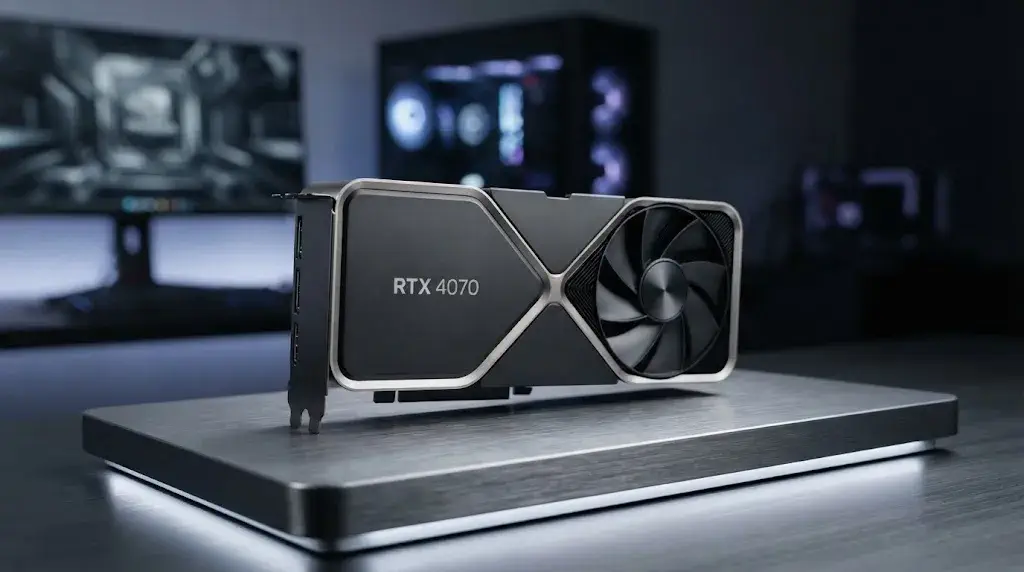
If you've been putting off an RTX 4070 upgrade, the wait hasn't paid off. The card's street price has risen well above where it sat earlier in 2026, part of a broader climb across NVIDIA's GeForce RTX lineup driven by a global shortage of the memory chips graphics cards depend on.
From sub-$500 to well above it
Pricing trackers show the RTX 4070 averaging around $474 as recently as July 2026, down in a range consistent with where the card has settled since its 2023 launch. By September, that same card is showing up at some retailers well north of $700 — a jump that outpaces normal market noise and lines up with the wider price hikes NVIDIA has pushed through this year.
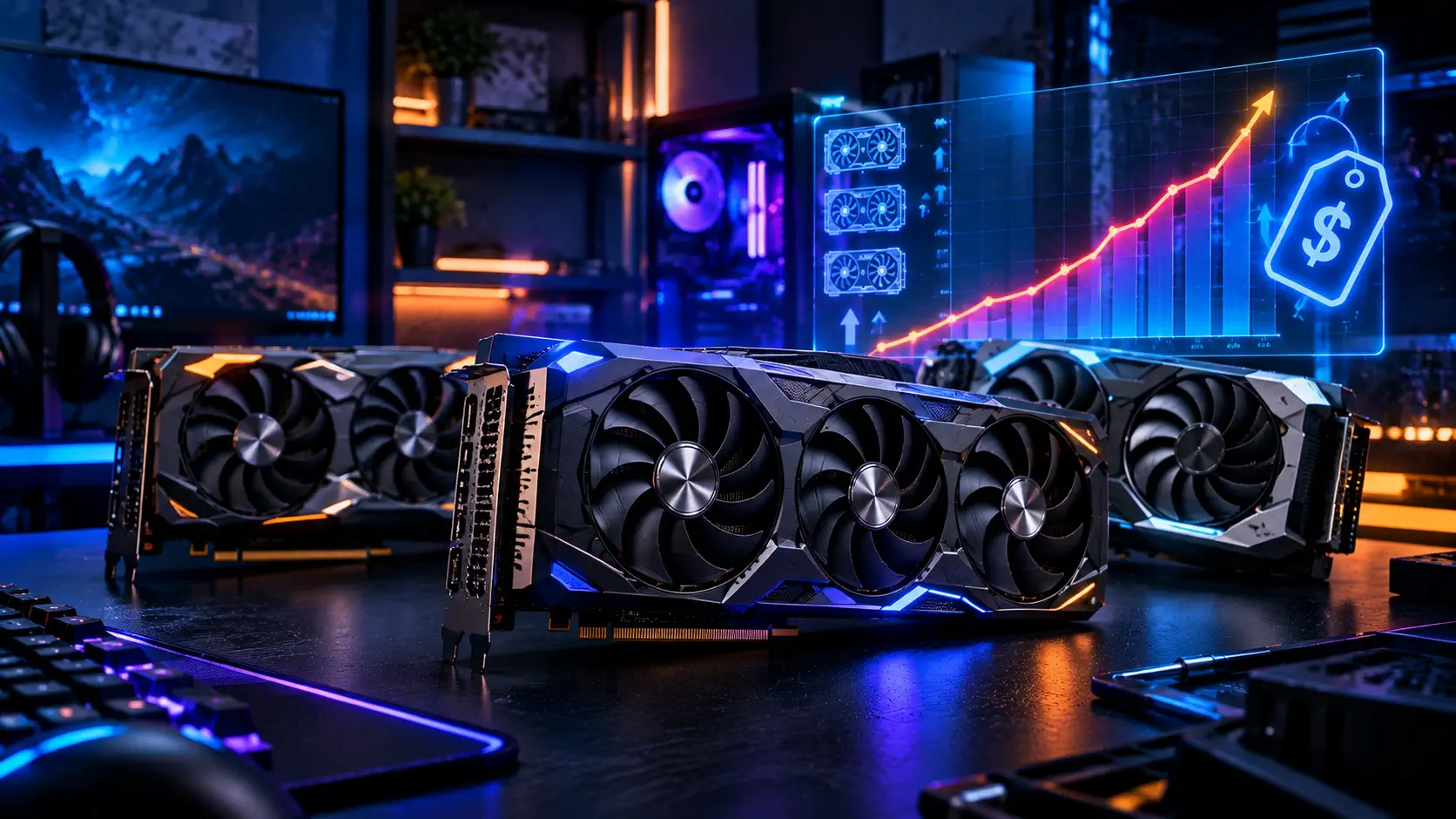
This isn't isolated to the 4070. NVIDIA reportedly raised GeForce RTX pricing 10 to 15 percent in an initial 2026 hike back in January, and industry reporting now points to a possible third increase of 20 to 30 percent later this year. The RTX 50 series has moved even more dramatically: the RTX 5090's U.S. median price reportedly climbed from roughly $4,300 in June to nearly $4,700 by August, with some 50-series cards up as much as 39 percent since early summer.
Why: it's the memory, not the GPU
The driving force behind the increases isn't the graphics chips themselves — it's the memory soldered onto them. Demand for GDDR6 and GDDR7 memory, along with high-bandwidth memory used in AI data centers, has surged as AI infrastructure buildouts compete with consumer electronics for the same limited chip supply. Some estimates now put VRAM at more than 80 percent of the total bill of materials on higher-end cards, and analysts expect the underlying DRAM shortage to persist into 2028.
That cost pressure has spread well beyond NVIDIA. AMD and Intel have both raised prices on their own GPUs and memory products in 2026, and even Sony has cited memory costs in a second PS5 price increase this year, now $649.
Where things stand for the RTX 4070:
- Price trend — from roughly $450–$500 for much of the year to $737–$849 at major retailers by late September, with the RTX 4070 Super peaking near $980 in mid-September before easing back to about $745.
- Root cause — a DRAM and GDDR memory shortage tied to AI data center demand, not a change to the GPU itself.
- Industry-wide — RTX 50-series cards, AMD GPUs, and even game consoles are seeing related increases.
- Successor pricing — NVIDIA's RTX 5070 carries a $549 MSRP, but street prices of $599–$649 mean it's landing well above the 4070's historical range too.
What to remember
The RTX 4070 hasn't changed — the market around it has. Buyers weighing a purchase should expect prices to stay elevated or climb further if the rumored third 2026 price hike materializes, and should treat any listing near the card's earlier $450–$500 range as a genuinely good deal rather than the new normal. AMD's RX 7800 XT, notably, has not seen the same spike and remains close to its original MSRP — see our current GPU deals roundup for how that changes the mid-range buying calculus. Our RTX 4070 review is still a good reference for how the card performs if you're weighing whether it's worth paying the current premium. With the memory shortage expected to run for years rather than months, there's no clear signal that waiting will bring cheaper cards anytime soon.
Sources: BigGo Finance, Tech Insider, Astute Group, GPU Poet